
Blogs ·
Norway in Winter vs. Norway in Summer: Two Different Trips
Same country, two entirely different holidays.
People often ask us for "a Norway trip" as if it were one thing. It is really two. A week in Norway in January and a week in Norway in July share a country and almost nothing else. Deciding which trip you actually want is the first real planning decision, because it changes the region, the route, the daylight, and the budget.
Winter: the northern lights trip
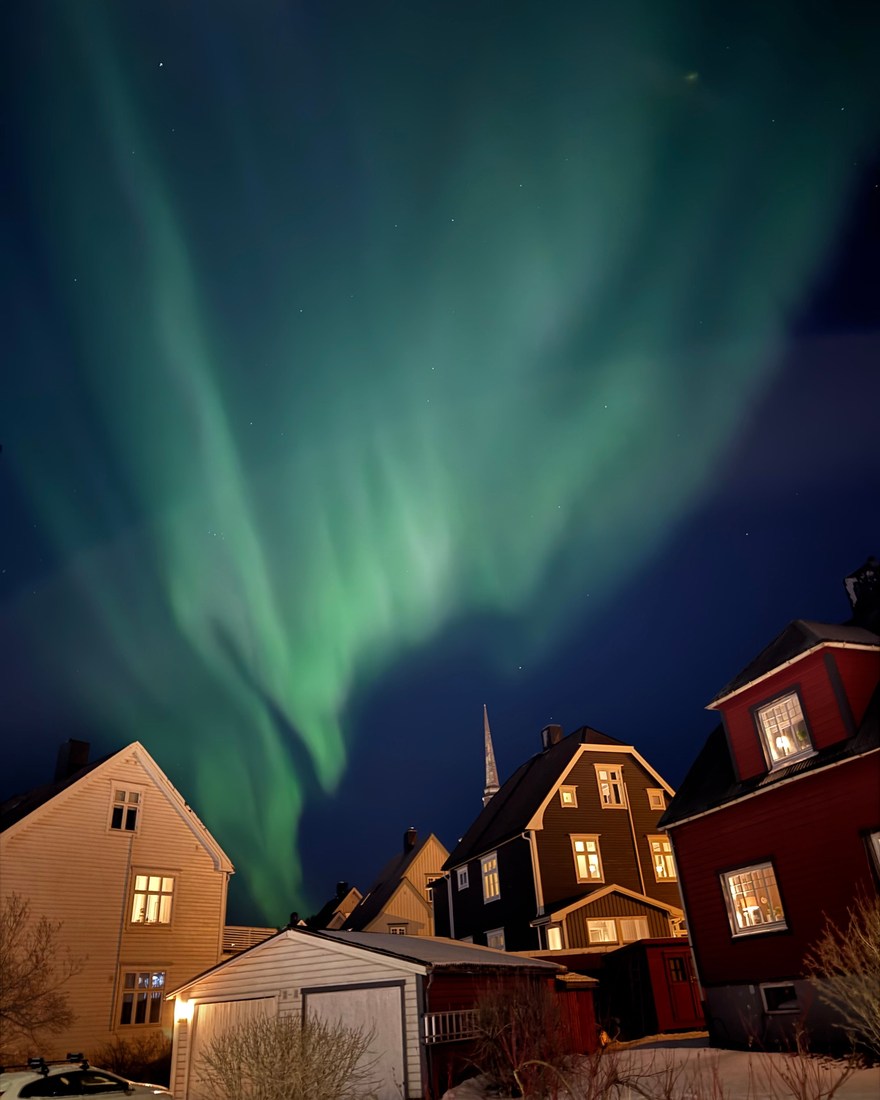
Winter travel is centred on the north, around Tromso, the Lofoten Islands, and Alta, roughly from late September to early April. The draw is the aurora, along with snow landscapes, dog sledding, and the quiet drama of very short days. In the deep north around midwinter, the sun barely rises, and that constant blue twilight is either magical or difficult depending on your temperament.
What to know before you commit:
- The lights are never guaranteed. You are buying yourself the best possible odds, which means clear skies, distance from city light, and enough nights in the right latitude. Three or four nights in an aurora zone is a sensible minimum.
- Days are short. Plan activities for a compressed window of usable light, usually late morning to mid afternoon.
- It is cold, and gear matters. Proper insulated boots and layers are not optional this far north in winter.
- Fjord cruising is limited, not ruled out. Some fjord routes run in winter and can pair with Arctic aurora travel when routing allows, though many summer routes and mountain roads are closed or weather-dependent.
Summer: the fjord trip
Summer travel, roughly late May to early September, is centred on the west and the classic fjord country around Bergen, the Sognefjord, Geiranger, and the scenic rail and road routes that link them. The draw here is long days, green mountainsides, waterfalls at full volume, and the ability to actually drive the country.
- Daylight is enormous. In June and July it barely gets dark, which means you can do a full day of sightseeing and still have the evening.
- It is the busy season. The famous fjord viewpoints, the Flam railway, and Bergen itself are crowded in July. Booking well ahead is essential, and shoulder months are calmer.
- Weather is changeable, not warm. The Norwegian west coast is rainy. Expect to travel with a waterproof shell even in midsummer.
- No northern lights. The sky never gets dark enough. If the aurora is the goal, summer is the wrong trip.
Can you combine them?
Partly. Some fjord routes run in winter and can sit alongside an Arctic aurora trip when routing allows, and the edges of the seasons offer the most overlap, though it is a compromise. Late September and late March can offer both some aurora activity in the north and passable conditions in the fjords, but you are compromising on both. For most people, it is better to pick the trip you want now and save the other for a future visit.
How to decide
Ask yourself what the photo in your head looks like. If it is green water below a switchback road and a waterfall in the background, you want summer in the west. If it is a green ribbon of light over a snow-covered cabin, you want winter in the north. Once that is settled, the rest of the itinerary follows cleanly.
Tell us which version of Norway you are picturing and we will build the route, the bases, and the timing around it.
Picturing a Norway Trip?
Tell us whether it is the fjords or the northern lights and we will build the route and timing around it.