
Blogs ·
Kerala Backwaters: The Right Season, the Right Houseboat
What turns a good Kerala trip into the one people talk about afterwards.
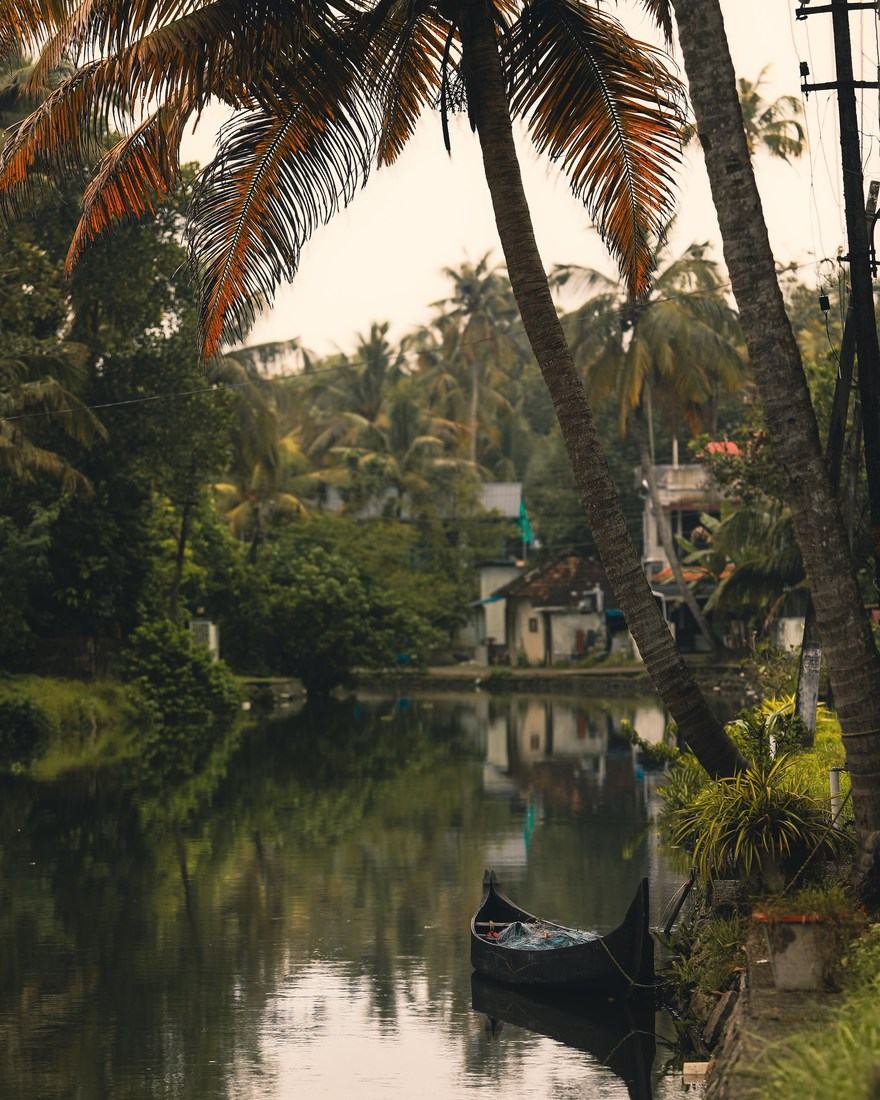
A houseboat night on the Kerala backwaters is one of those experiences that is either wonderful or underwhelming, and the difference is almost entirely down to decisions made before you arrive: when you go, where you start, and which boat you are actually on. Here is how we think about each.
Season: when the backwaters are at their best
The comfortable window runs roughly from October to March. The weather is generally comfortable, the humidity is more manageable, and the water levels are healthy after the monsoon. December and January are the peak, with the best conditions and the highest demand, so book well ahead.
The monsoon months, broadly June to September, are green and dramatic and much quieter, but it is much wetter, and some travellers find a full day and night on a boat in heavy rain less romantic than it sounds. April and May are hot and humid before the monsoon, with possible thunderstorms. If you have flexibility, aim for the shoulder months of October, November, or February for a balance of good weather and fewer crowds.
Where to start: Alleppey vs. Kumarakom
- Alleppey (Alappuzha) is the classic base, with the largest fleet and the widest network of narrow canals and village-lined waterways. It is the most atmospheric option, and also the busiest, particularly on the main channels around midday.
- Kumarakom sits on Vembanad Lake and is quieter, greener, and better for birdlife, with a more resort-led feel. Boats here spend more time on open water and less in tight village canals.
- Fringe routes around Kollam and the longer stretches toward Kottayam are far less trafficked and worth considering if the crowds are a concern.
Choosing the boat
Houseboats range from basic one-bedroom conversions to well-kept boats with proper air conditioning, good food, and a crew that knows the quieter routes. The things that make the biggest difference to the experience:
- Air conditioning hours. Many boats only run the AC overnight from a set time because it depends on a generator. Confirm the hours if you are travelling in a warmer month.
- Private vs. shared. A private boat for your group is the norm and worth it. Larger multi-room boats can feel less intimate.
- The route the crew takes. Good operators steer away from the congested stretches and moor overnight somewhere calm. This is hard to verify yourself and is where local knowledge earns its place.
- Food. Meals are cooked fresh on board and are a highlight on a good boat. It is a fair question to ask about before you book.
- Safety and crew. Check that the boat has life jackets, a trained crew and a sensible mooring plan, and that the AC hours and meals are confirmed before you pay.
How long, and what to pair it with
One night on the boat is enough for most people. The rhythm is slow and by the second afternoon many travellers are ready to move. Two nights suits those who genuinely want to switch off completely. Either way, the backwaters work best as one chapter of a wider Kerala trip: a few days in the tea hills around Munnar, some time in Fort Kochi, and perhaps a beach stay at Marari or further south all combine naturally with a backwater night in the middle.
If Kerala is on your list, tell us roughly when you can travel and we will build the route, pick the right base, and match you to a boat we would put our own clients on.
Thinking About a Kerala Trip?
Tell us roughly when you can travel and we will build the route and match you to the right houseboat.